
Player Decision Brief
How Asian Parents went to School
Best for players who want a short, chaotic co-op challenge with slapstick failure states, voice chat, and a straightforward goal. Solo players can try it too, but the group format is the clearer fit.
Is How Asian Parents went to School Right For You?
Best For
- ✓ Players who enjoy online co-op with voice chat
- ✓ Groups looking for a lightweight challenge game
- ✓ Players who like collectible-driven progression
- ✓ Anyone fine with a deliberately rough, noisy tone
Think Twice If
- ! Players expecting a serious story
- ! Anyone who wants polished combat or precision platforming
- ! Players who prefer calm, low-stress progression
Before You Buy How Asian Parents went to School
It is listed for Windows only.
English is the only language with full audio support.
Online co-op is available, but solo play is also supported.
The game leans into chaos and repeated failure rather than clean runs.
How Asian Parents went to School Fit Matrix
Coop
High
Solo
Medium
Grind
Low
Story
Low
Performance risk
Medium
Beginner friendly
Medium
What Players Say About How Asian Parents went to School
Recurring player themes that may help you decide whether this game fits your taste.
Players Often Praise
- • Friends make the game more enjoyable
- • Some players liked the unusual humor and chaotic setup
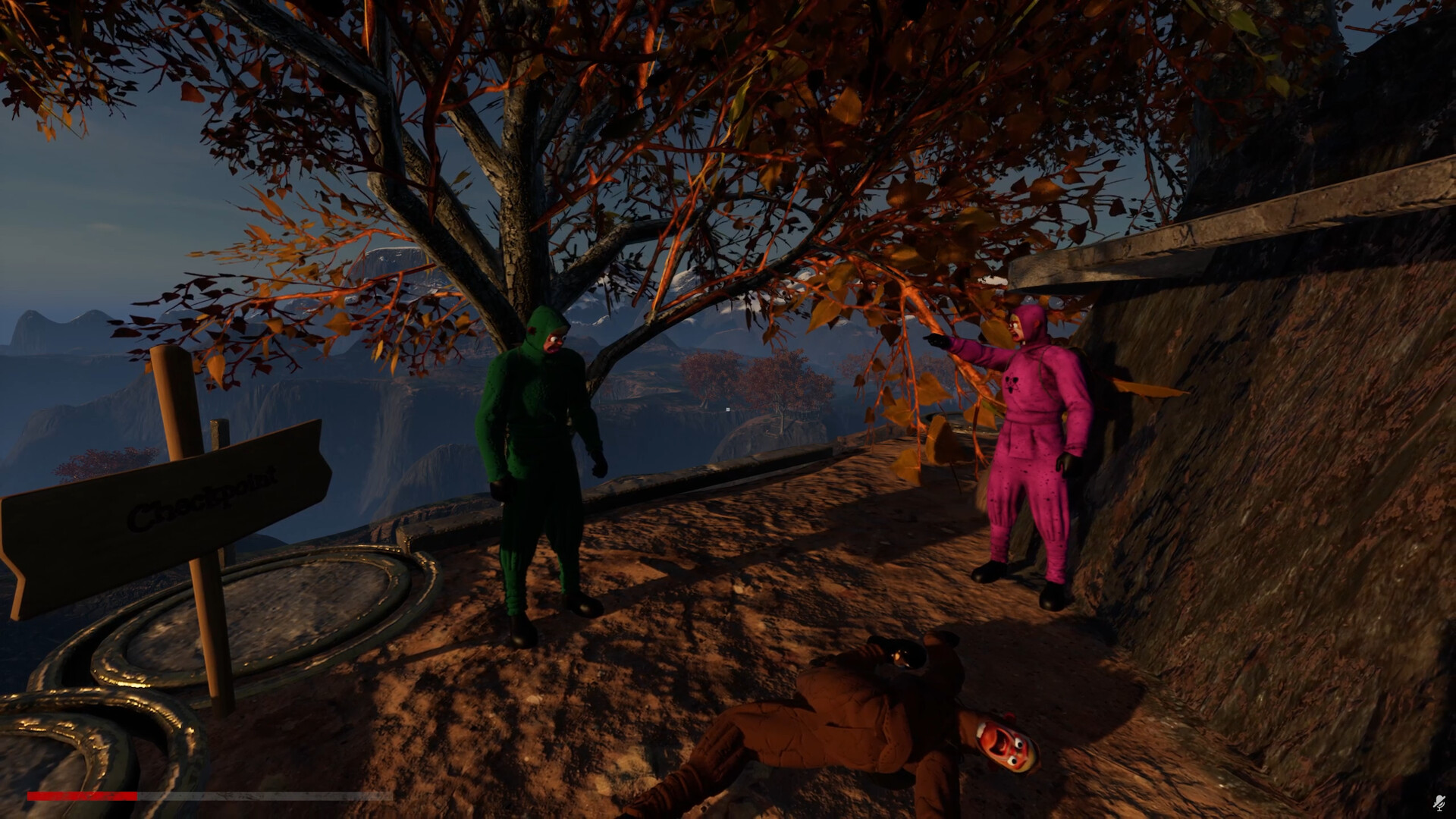
- • A few players praised the scenery and visual presentation
- • Some reviews described it as fun in short sessions
Common Complaints
- • Several players described the game as clunky or inconsistent
- • Some found the difficulty or boss encounters frustrating
- • A number of reviews complained about performance and heat on their systems
- • Some players felt parts of the game were padded or repetitive
Mixed Reactions
- • The rough, deliberately absurd tone seems to work for some players and turn others away
- • Co-op is a major strength for some reviewers, while solo play drew more criticism
Performance Notes
- • A few reviews mention heavy GPU load and poor performance on some systems
- • Other players reported smooth play on higher settings, so hardware experience appears uneven
Player Fit
- • Best fit seems to be players who enjoy short, chaotic sessions with friends
- • Less suited to players who are sensitive to jank or repetition
- • Players wanting a polished, tightly tuned challenge game may bounce off it
How Asian Parents went to School Key Features
Solo or online co-op play
How Asian Parents went to School supports offline solo play and online co-op for up to four players, so it can be approached as a lone challenge or a group run.
Proximity voice chat
The game includes proximity voice chat, which fits its coordination-heavy co-op setup and makes group recovery more important when things go wrong.
School-run obstacle course
The core premise is reaching school through vertical climbs, awkward travel, and hazard-filled sections rather than a traditional story structure.
Bear encounters and mini-game pressure
How Asian Parents went to School puts players against a cat-mask-wearing bear, with Freeze Tag and snowball fight sequences called out as part of the experience.
Collectibles and replayable challenges
The game includes nine collectible items with sound effects, giving players something to look for beyond simply surviving each run.
Steam support features
Steam Achievements, adjustable difficulty, subtitle options, custom volume controls, stereo sound, and Family Sharing are all listed for How Asian Parents went to School.
How Asian Parents went to School Screenshots



How Asian Parents went to School FAQ
What kind of game is How Asian Parents went to School?
It is an action-adventure game with casual and indie labeling, built around getting to school through difficult traversal, survival-style encounters, and co-op-focused chaos. How Asian Parents went to School also supports solo play.
Does How Asian Parents went to School support multiplayer?
Yes. The game supports online co-op and multi-player play, with room for up to four players. Proximity voice chat is listed, so teamwork and coordination are part of the setup.
What platforms does it support?
The game is listed for Windows only. There is no separate platform support shown beyond that, so Windows is the version to check before buying How Asian Parents went to School.
What languages are available?
English includes full audio, interface, and subtitles. Several additional languages are listed with interface and subtitle support, while voice audio is listed for English only.
What should I verify before buying?
Check the Windows requirement, the 64-bit system requirement, and whether your setup is comfortable with online co-op. If you plan to play with others, the voice-chat and teamwork focus in How Asian Parents went to School matter more than the solo mode.
How Asian Parents went to School Quick Facts
Genres
Tags
Check On Steam
Use this brief to decide whether How Asian Parents went to School is worth a closer look, then confirm the details that can change or depend on your setup.
- • Latest system requirements for your PC
- • Interface, subtitle, and audio language support
- • Current price, discounts, release timing, and platform notes
Latest Games
MoreA quick way to spot a few of the newest releases worth browsing next.
The Fame Game II: L.A. Heartbreaker
Recommendation Brief
More Games To Consider After How Asian Parents went to School
These picks are ranked by similarity signals, freshness, and review strength, then presented with only the most useful non-repeating match cues.
FixForce
29 reviewsTry FixForce if you want a nearby take on online co op and multiplayer, with its own mix of scope and pacing.
Dravo's Twisted Show
46 reviewsTry Dravo's Twisted Show if you want a nearby take on online co op and multiplayer, with its own mix of scope and pacing.
An Eggstremely Hard Game
86 reviewsTry An Eggstremely Hard Game if you want a nearby take on online co op and multiplayer, with its own mix of scope and pacing.
Too Deep To Quit Demo
83 reviewsTry Too Deep To Quit Demo if you want a nearby take on online co op and multiplayer, with its own mix of scope and pacing.
Trash Day
282 reviewsTry Trash Day if you want a nearby take on online co op and multiplayer, with its own mix of scope and pacing.
Meowgic
292 reviewsTry Meowgic if you want a nearby take on online co op and multiplayer, with its own mix of scope and pacing.